


The real cost of disconnected data
When it comes to targeted ads, Meta and Google are good at what they do. But they can only work with the data you give them. If that data is purely digital, you're missing half the picture.
A customer who browses extensively online but converts in-store every time looks, from the platform's perspective, like someone who never buys. And if your ads only target based on clicks and not buys, your customers will keep seeing ads for the stuff they already bought.
They keep seeing your ads. You keep paying for them.
ROAS isn't the full story
Most paid media teams live and die by ROAS. It's a useful metric, but it doesn’t take everything into account.
A high-ROAS customer who regularly returns products in-store may not be as high-value as they look.
This is exactly what Sport 24 discovered. Running Meta campaigns with Facebook's own audiences, they were achieving a ROAS of 17–20 — strong by most standards, and a result most teams would be happy with.
But when they switched to audiences built from their own first-party data — combining online and in-store purchase behaviour to identify buyers who actually kept what they bought — their ROAS jumped to 30–35.
In one campaign, it hit 35.58. That's a 92% improvement, just by making sure you’re spending on the right people.
3 ways better data improves paid performance
So, what are some things you can do to make sure you’re reaching the right people with your ad spend? Here are 3 ways, all possible with a Customer Data Platform:
1. Build look-alike audiences from your actual best customers.
Not just high spenders, but high CLV customers. These are people who buy often, spend consistently, and don't return their purchases.
The CLV model within Raptor’s CDP segments your customer base exactly this way, so you can identify who your best customers are based on the metrics you choose. This gives you a much better foundation for building look-alike audiences on Meta and Google that are worth targeting.
2. Exclude customers who've already converted — wherever they converted.
Back to our hiker: if she bought the boots in-store on Saturday, she shouldn't be seeing a retargeting ad on Sunday. Connecting your purchase and POS data to your ad platforms means suppressions happen automatically, in real time, across channels.
3. Stop spending on customers who've already left.
If your data tells you a previously loyal customer has gone quiet — no purchases, no engagement, inactivity scores rising — this is not a customer you should target with standard messages any longer.
Either redirect that budget to a reactivation campaign, or suppress them entirely and focus spend where it can still make a difference.
The underlying principle
So, what happened to our hiker?
Well, she didn’t stop shopping for gear after the boots. Chances are her boot-shopping experience annoyed her to the point where she probably chooses another retailer for her jacket, rucksack, and other gear.
All because of one silly little data connection that wasn’t made.


Want to get personalisation right?
This guide brings together the top personalisation trends from Ibexa, Raptor, Quable, Actito, Qualifio, Alpha Solutions, Adapt, Ommax, Redkiwi, and Forte.
Related Content
You might also like

What is a good customer? The thoughts that come to mind might be: someone who buys often opens...
Learn More
As a vendor, Raptor is dependent on our client’s investment, and therefore we need to illustrate...
Learn More
Black Friday and Cyber Monday are, without a doubt, the biggest shopping days of the year. In 2020,...
Learn More

Is this how you create newsletters too? If you work in e-commerce, you might recognize this routine:
Learn More

The Black Friday season is upon us, and when working with e-commerce it’s essential to prepare for...
Learn More

Do you transform your Black Friday encounters into lasting relationships? Or do you let this annual...
Learn More
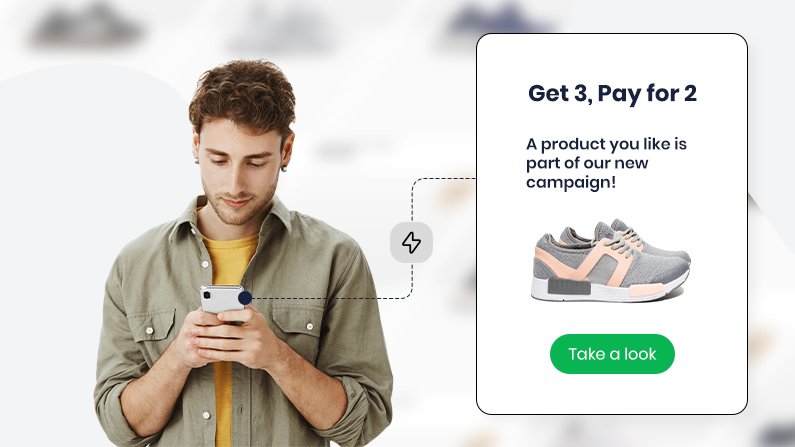
If you're familiar with price drop triggers, you already know how effective they are at converting...
Learn More
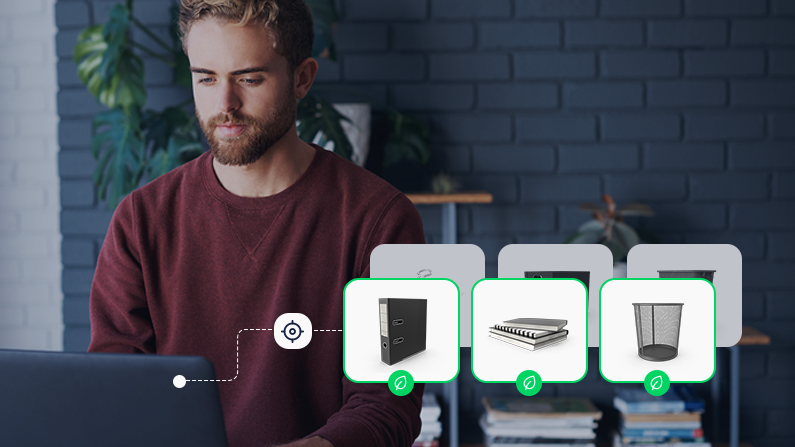
Sustainability and e-commerce. To many, they’re considered close to mutually exclusive. But they...
Learn More
Raptor is proud to present our most advanced recommendation module to date. Find out what the new...
Learn More

If you’re a seasoned e-mail marketer, you might think you know everything you need to know about...
Learn More

Let us show you what you can achieve with premium personalization


A Raptor expert can share more about the product and answer any questions you have.